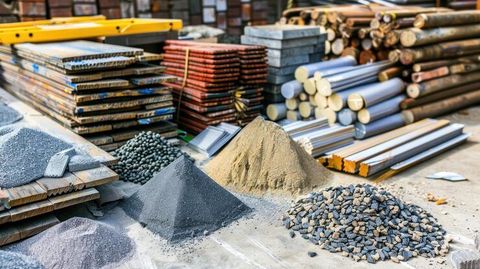
People have been using natural and manufactured materials for building for centuries. Over time, improvements in technology and design have led to stronger, safer, and more efficient structures. Today, construction materials are selected not only for strength but also for durability, sustainability, and ease of use.
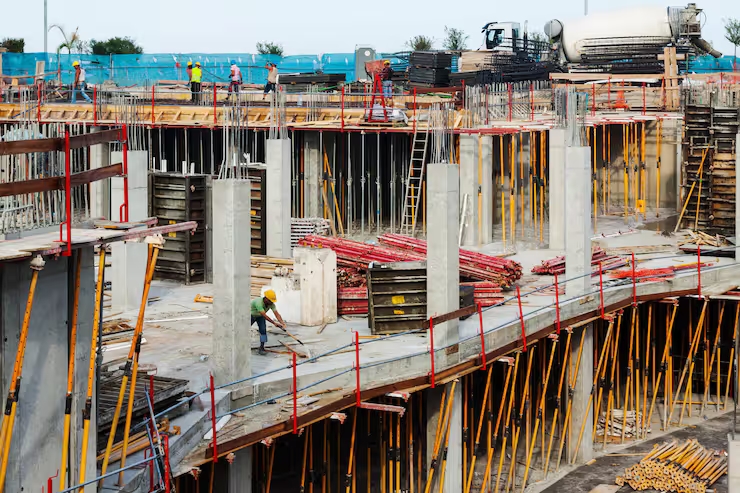
The purpose of using the right construction materials is simple. They help create buildings that are safe, long-lasting, and suitable for their intended use. Whether it is a small home project or a large infrastructure development, the choice of materials plays a key role in the final result.
Why Construction Materials Matter in Everyday Building
Construction materials affect almost every aspect of a building. From safety to comfort, their impact is significant. Poor material choices can lead to structural problems, while good choices can improve performance and lifespan.
Key Reasons They Are Important
- Safety: Strong materials ensure that buildings can handle loads, weather, and natural events.
- Durability: Good materials reduce the need for frequent repairs.
- Energy efficiency: Certain materials help maintain indoor temperature, reducing energy use.
- Environmental impact: Sustainable materials reduce harm to the environment.
- Cost control: Choosing suitable materials helps avoid unnecessary expenses later.
Who Is Affected
- Homeowners planning construction or renovation
- Builders and contractors
- Architects and designers
- Government bodies managing infrastructure
Construction materials also solve common problems such as heat insulation, moisture control, and resistance to wear and tear. For example, using weather-resistant materials in humid areas helps prevent damage over time.
Recent Trends and Changes in Construction Materials
The construction field is constantly evolving. In recent times, there has been a strong focus on sustainability and efficiency. New materials and methods are being introduced to meet modern needs.
Growing Use of Sustainable Materials
Builders are increasingly using eco-friendly materials such as recycled steel, bamboo, and fly ash bricks. These options help reduce environmental impact and conserve natural resources.
Smart Materials and Technology Integration
Modern construction now includes materials that respond to environmental conditions. For example, self-healing concrete can repair small cracks on its own. Insulated panels and advanced glass solutions also improve energy efficiency.
Prefabrication and Modular Construction
Prefabricated components are becoming more common. These materials are prepared off-site and assembled at the construction location. This approach helps reduce waste and improves consistency.
Focus on Local Materials
Using locally available materials is gaining attention. It reduces transportation needs and supports regional practices. It also helps maintain traditional building styles in many areas.
Rules, Standards, and Government Influence
Construction materials are closely regulated to ensure safety and quality. Governments set standards that builders must follow when selecting and using materials.
Building Codes and Standards
Every region has building codes that specify which materials can be used and how they should be applied. These codes cover aspects like:
- Structural strength
- Fire resistance
- Electrical safety
- Environmental impact
Following these guidelines helps prevent accidents and ensures that buildings meet safety requirements.
Environmental Regulations
Many governments encourage the use of sustainable materials. Regulations may limit the use of certain harmful substances or promote energy-efficient construction practices.
Certification Systems
Materials often need to meet certification standards before being used. These certifications confirm that the material has been tested and meets quality requirements.
Infrastructure and Public Projects
Government-funded projects usually have strict rules for material selection. This ensures durability and long-term performance, especially for roads, bridges, and public buildings.
Useful Tools and Resources for Better Material Selection
Choosing the right construction materials can be easier with the help of tools and resources. These help in planning, comparison, and decision-making.
Digital Tools and Applications
- Material calculators: Help estimate quantities needed for projects
- Design software: Allows users to visualize structures and test materials
- Energy efficiency tools: Analyze how materials affect heating and cooling
Online Resources
- Educational websites that explain material properties
- Construction forums where professionals share experiences
- Government portals with building guidelines and standards
Templates and Checklists
Using structured templates can simplify planning. These may include:
- Material selection checklists
- Project planning sheets
- Quality inspection forms
Professional Guidance
Consulting engineers, architects, or experienced builders can help avoid mistakes. Their knowledge ensures that materials are used correctly and efficiently.
Frequently Asked Questions About Construction Materials
What are the most commonly used construction materials?
The most common materials include concrete, steel, wood, bricks, and glass. Each is used based on the needs of the structure, such as strength, flexibility, or appearance.
How do I choose the right construction material?
Consider factors like climate, purpose of the building, durability, and maintenance needs. It is also helpful to consult professionals for guidance.
Are eco-friendly materials reliable?
Yes, many eco-friendly materials are designed to be strong and durable. They also offer benefits such as better insulation and reduced environmental impact.
What is the role of concrete in construction?
Concrete is widely used because it is strong, durable, and versatile. It forms the foundation and structural framework for many buildings.
How do building codes affect material choice?
Building codes ensure that only safe and tested materials are used. They guide builders in selecting materials that meet safety and performance standards.
Final Thoughts on Smarter Building Choices
Construction materials are the foundation of every structure. Making informed choices about these materials can improve safety, durability, and overall performance. With growing awareness of sustainability and efficiency, the way materials are selected is changing.
Understanding the basics, keeping up with current trends, and following regulations can make a significant difference in building outcomes. Simple steps like using the right tools, consulting experts, and choosing suitable materials for the environment can lead to better results.
By focusing on quality and practicality, anyone involved in construction can create structures that are reliable, efficient, and well-suited for their purpose.