Industrial Valves Basics Guide with Smart Tips and Practical Insights
Industrial valves are mechanical devices used to control the flow and pressure of liquids, gases, and slurries within a system. They can start, stop, regulate, or direct the movement of fluid in pipelines and machinery. These components are found in industries such as oil and gas, water treatment, power generation, chemical processing, and manufacturing.
At their core, valves exist to ensure safe and efficient operation of systems that rely on fluid movement. Without them, controlling flow rates or isolating sections of a pipeline would be extremely difficult. Their design varies depending on the function they perform, such as allowing full flow, reducing pressure, or preventing backflow.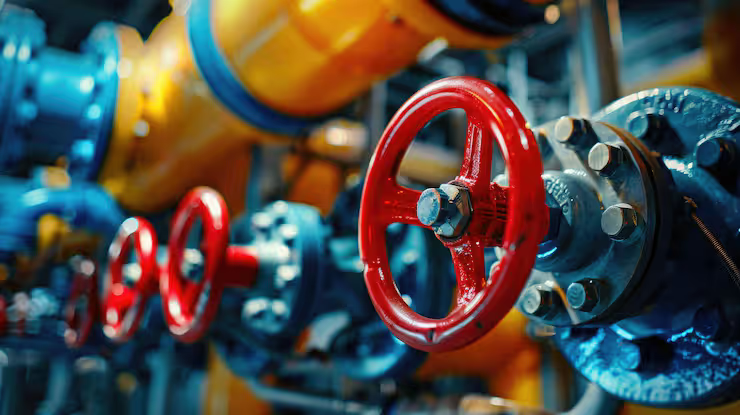
Common types include gate valves, globe valves, ball valves, butterfly valves, and check valves. Each type is suited for specific applications based on how it handles flow control and pressure conditions. For example, gate valves are often used for on/off control, while globe valves are better for regulating flow.
Why industrial valves matter in modern systems
Industrial valves play a critical role in maintaining safety and efficiency across many sectors. They directly affect how systems perform and how reliably they operate under different conditions.
Ensuring safety in operations
Valves help prevent accidents by controlling pressure and isolating hazardous materials. In industries dealing with chemicals or high-pressure systems, proper valve function reduces the risk of leaks, explosions, or contamination.
Supporting efficient processes
By regulating flow accurately, valves help optimize system performance. This leads to better energy use, reduced waste, and smoother operations. Efficient flow control can also improve product quality in manufacturing processes.
Serving multiple industries
Industrial valves are essential in:
- Water supply and wastewater management
- Energy production and distribution
- Food and beverage processing
- Pharmaceutical manufacturing
- Oil refining and transportation
Each of these industries depends on precise flow control to meet operational standards and safety requirements.
Solving practical challenges
Valves address several operational issues, such as:
- Managing pressure fluctuations
- Preventing reverse flow
- Isolating sections for maintenance
- Controlling temperature and flow rates
Without reliable valves, systems would face frequent disruptions and higher maintenance challenges.
Latest developments and evolving trends
The field of industrial valves continues to evolve with advancements in technology and changing industry needs. Several important trends have emerged recently.
Rise of smart valves
Smart valves are equipped with sensors and automation features that allow remote monitoring and control. These valves provide real-time data on pressure, temperature, and flow conditions, helping operators make informed decisions quickly.
Integration with digital systems
Modern valves are increasingly connected to digital control systems. This integration supports predictive maintenance, where potential issues are identified before they lead to failure. It reduces downtime and improves overall system reliability.
Focus on energy efficiency
There is growing attention on designing valves that minimize energy loss. Improved sealing technologies and optimized flow paths help reduce resistance and improve efficiency.
Use of advanced materials
New materials are being used to enhance durability and resistance to corrosion. This is especially important in industries dealing with harsh chemicals or extreme temperatures.
Standardization and improved testing
Recent updates in industry standards have emphasized stricter testing and quality checks. This ensures valves perform reliably under demanding conditions.
Regulations and compliance considerations
Industrial valves are subject to various rules and standards that ensure safety, quality, and environmental protection. These regulations vary depending on the country and industry but share common goals.
Safety standards
Valves must meet safety requirements related to pressure handling, leak prevention, and material strength. These standards help protect workers and equipment.
Environmental guidelines
Many regulations focus on reducing emissions and preventing leaks of harmful substances. Valves used in sensitive industries must comply with strict environmental guidelines.
Industry certifications
Valves often need certification from recognized bodies to confirm their quality and performance. These certifications ensure that the valve meets specific design and testing standards.
Maintenance and inspection rules
Regular inspection and maintenance are often required to ensure valves continue to function properly. This includes checking for wear, corrosion, and proper sealing.
Documentation and traceability
Proper documentation is important for compliance. This includes records of manufacturing, testing, installation, and maintenance activities.
Useful tools and resources for working with valves
Several tools and resources can help engineers, technicians, and learners better understand and work with industrial valves.
Design and selection tools
- Valve sizing calculators to determine appropriate dimensions
- Flow simulation software for analyzing system performance
- Material selection guides based on application needs
Monitoring and control systems
- Digital control systems for automated valve operation
- Sensors for tracking pressure, temperature, and flow
- Data analysis tools for performance monitoring
Learning resources
- Technical manuals and guides
- Online courses and training programs
- Industry publications and research papers
Maintenance support tools
- Inspection checklists
- Diagnostic tools for identifying faults
- Maintenance scheduling software
Using these resources can improve accuracy in valve selection, installation, and operation.
Frequently asked questions
What are the main types of industrial valves?
The main types include gate valves, globe valves, ball valves, butterfly valves, and check valves. Each type serves a specific purpose, such as flow regulation, isolation, or preventing backflow.
How do I choose the right valve for an application?
Choosing the right valve depends on factors like fluid type, pressure, temperature, flow requirements, and system design. Understanding these factors helps in selecting the most suitable valve type.
What is the difference between manual and automated valves?
Manual valves are operated by hand, usually with a handle or wheel. Automated valves use actuators and control systems to operate without direct human intervention, often allowing remote control.
Why is regular maintenance important for valves?
Regular maintenance ensures valves function properly and prevents issues like leaks or failure. It also extends the lifespan of the valve and improves system reliability.
Can valves improve energy efficiency?
Yes, properly designed and maintained valves can reduce energy loss by ensuring smooth flow and minimizing resistance. This contributes to more efficient system performance.
Final thoughts
Industrial valves are essential components that support safe and efficient operation across many industries. They help control fluid movement, manage pressure, and protect systems from damage. Understanding their types, functions, and applications provides a strong foundation for anyone working with fluid systems.
Recent developments such as smart technology and improved materials are making valves more reliable and efficient. At the same time, regulations ensure that these components meet safety and environmental standards.
By using the right tools and following best practices, it becomes easier to select, operate, and maintain valves effectively. Whether you are a student, technician, or industry professional, a clear understanding of industrial valves can help you make better decisions and improve system performance.

Related Post...
Industrial Valves Basics Guide with Smart Tips and Practical Insights
Updated: April 16, 2026
Read More
Sheet Cutting Systems Information Guide with Helpful Tips and Suggestions
Updated: April 16, 2026
Read More