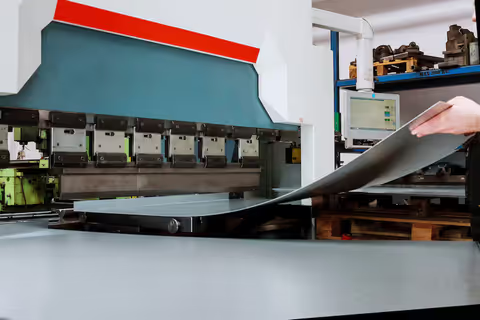
These systems exist because manual cutting methods are often slow and less precise. As industries grew and required consistent production quality, automated and semi-automated cutting systems became essential. They allow manufacturers to produce parts quickly and with high accuracy.
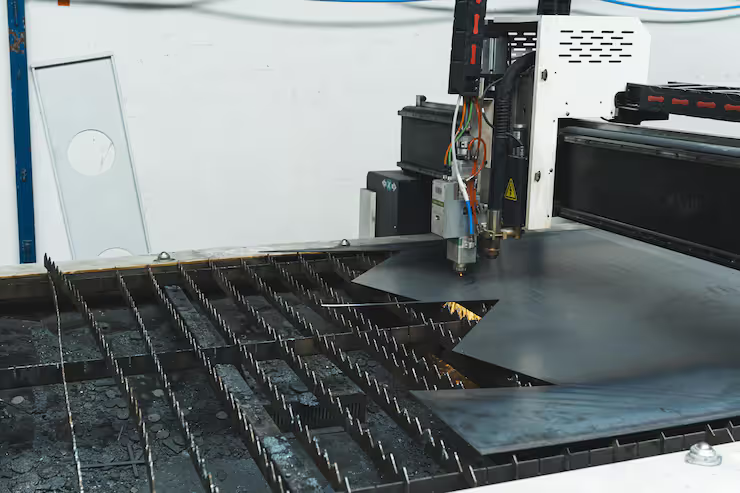
There are several types of sheet cutting systems, each designed for different materials and applications. Common methods include laser cutting, plasma cutting, waterjet cutting, and mechanical cutting such as shearing or punching. Each method uses a different technique to separate material while maintaining the desired shape.
Modern systems often use computer-controlled technology. This allows operators to input designs digitally and achieve consistent results across multiple pieces. It also reduces human error and improves efficiency in production environments.
Why sheet cutting systems matter in modern industries
Sheet cutting systems are a key part of manufacturing and fabrication processes. They support industries that rely on precise material shaping and efficient production methods.
Improving accuracy and consistency
Automated cutting systems provide high levels of precision. This ensures that each piece matches the required specifications, which is important for assembly and product quality.
Supporting faster production
Compared to manual methods, these systems can process materials much more quickly. This helps industries meet production demands without compromising on quality.
Reducing material waste
Efficient cutting techniques optimize how materials are used. By minimizing errors and improving layout planning, these systems help reduce waste and make better use of resources.
Serving multiple industries
Sheet cutting systems are widely used in:
- Automotive manufacturing
- Construction and infrastructure
- Aerospace engineering
- Electronics production
- Furniture and interior design
Each of these industries depends on precise and reliable cutting processes.
Solving practical challenges
They help address several common issues:
- Inconsistent cutting results
- High material wastage
- Slow production speeds
- Difficulty handling complex designs
By solving these challenges, sheet cutting systems improve overall productivity and quality.
Recent trends shaping sheet cutting technology
Sheet cutting systems continue to evolve with advancements in technology and industry requirements. Several trends have emerged recently that are shaping how these systems are used.
Increased use of automation
Automation is becoming more common in cutting processes. Machines are now capable of operating with minimal human intervention, improving efficiency and reducing the chances of error.
Integration with digital design tools
Modern cutting systems are closely linked with computer-aided design software. This allows designs to be transferred directly to machines, ensuring accurate replication of complex shapes.
Growth of smart manufacturing
Cutting systems are being integrated into smart manufacturing environments. These systems can communicate with other machines and provide data on performance, helping optimize operations.
Focus on energy efficiency
There is growing attention on reducing energy consumption. Newer systems are designed to operate more efficiently while maintaining high performance levels.
Advancements in cutting precision
Technological improvements have made it possible to achieve finer and more detailed cuts. This is especially important for industries that require intricate designs and tight tolerances.
Regulations and compliance considerations
Sheet cutting systems are subject to various regulations to ensure safe operation and environmental responsibility. These rules are important for protecting workers and maintaining quality standards.
Workplace safety standards
Cutting systems must follow safety guidelines to prevent accidents. This includes proper machine guarding, operator training, and safe handling of materials.
Environmental regulations
Certain cutting processes may produce emissions, noise, or waste. Regulations often require measures to control these effects and reduce environmental impact.
Equipment certification requirements
Machines may need to meet specific certification standards to ensure they operate safely and effectively. This includes testing for durability and performance.
Maintenance and inspection rules
Regular inspection and maintenance are important for keeping systems in good working condition. This helps prevent breakdowns and ensures consistent performance.
Documentation and compliance records
Maintaining proper records is often required for compliance. This includes details about machine usage, maintenance activities, and safety checks.
Tools and resources for better cutting performance
Using the right tools and resources can improve the efficiency and accuracy of sheet cutting systems. These tools support planning, operation, and maintenance.
Design and planning tools
- Computer-aided design software for creating detailed cutting patterns
- Nesting software to optimize material usage
- Simulation tools for testing designs before cutting
Machine control systems
- CNC controllers for precise machine operation
- Automation systems for managing cutting processes
- Monitoring tools for tracking performance
Maintenance and diagnostic tools
- Inspection checklists for regular maintenance
- Diagnostic software for identifying issues
- Calibration tools for ensuring accuracy
Safety equipment and resources
- Protective gear for operators
- Safety guidelines and manuals
- Training materials for proper machine handling
Learning and knowledge resources
- Technical guides and documentation
- Online tutorials and courses
- Industry publications and forums
These resources help users operate cutting systems more effectively and maintain consistent results.
Frequently asked questions
What materials can sheet cutting systems handle?
They can handle a wide range of materials, including metals, plastics, wood, and composites. The choice of cutting method depends on the material type and thickness.
What is the difference between laser and plasma cutting?
Laser cutting uses a focused beam of light for precise cuts, while plasma cutting uses a high-temperature plasma arc. Laser cutting is generally more precise, while plasma cutting is often used for thicker materials.
How do cutting systems improve efficiency?
They automate the cutting process, reduce errors, and increase speed. This leads to faster production and better use of materials.
Are sheet cutting systems suitable for small-scale use?
Yes, there are systems designed for both small-scale and large-scale operations. The choice depends on the specific needs and application.
Why is maintenance important for cutting systems?
Regular maintenance ensures the system operates smoothly and maintains accuracy. It also helps extend the lifespan of the equipment and prevent unexpected issues.
Final thoughts
Sheet cutting systems play a vital role in modern manufacturing by providing accurate and efficient ways to shape materials. They support a wide range of industries and help maintain high standards of quality and productivity.
With ongoing advancements in automation and digital integration, these systems are becoming more capable and reliable. At the same time, regulations ensure that they are used safely and responsibly.
Understanding how sheet cutting systems work and how to use them effectively can help improve production processes and outcomes. With the right tools and practices, they can deliver consistent and precise results across various applications.